
History of Dyslexia
The discovery of dyslexia and the development of remediation of it began in the late 19th century. From the very beginning, in 1878, the German neurologist Dr. Adolf Kussmaul taught a boy who was unable to read. The man had normal intelligence and had had adequate education. Dr. Kussmaul described his problem as word blindness.
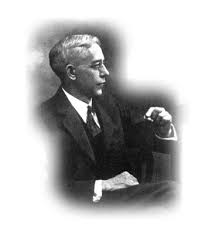 In 1887, the German ophthalmologist Rudolf Berlin was the first to describe the condition as “dyslexia”. The term derives from the Greek words “dys” (weak, bad, inappropriate) and “lexis” (language, word). Since then, the term dyslexia represents a synonym for reading difficulties. (Guardiola, 2001; Kirby, 2020)
In 1925, the American Neurologist Dr. Samuel Orton proposed the first theory of how reading difficulties occur. Together with his assistant, Anna Gillingham, he developed teaching strategies that are still in use today. Several forms of specific learning difficulties were identified during this period but were actually recognized in 1939 when Dr. Alfred Strauss and Heinz Werner published their findings on children with a wide range of learning difficulties. Their work emphasizes the variation of this problem and the need for individual assessment of the educational needs of each child (Selikowiz, 2012).
Until the middle of the 20th century, dyslexia was the responsibility of medicine, but after numerous research, it passed to the educational area. Since then, specific educational strategies and methods have been developed to teach children with learning difficulties (Miles&Miles, 1999).